Apple’s “Surprise and Shine” event happened on September 9, and it was a genuinely full one: two new iPhone lines, two new Apple Watches, new AirPods, the iOS 27 family shipping across every platform, and Siri AI rolling out in beta on top of all of it. I watched it with one eye on the products and the other on what I’ll actually have to do to the codebases I own before any of this reaches a real user. This is both halves.
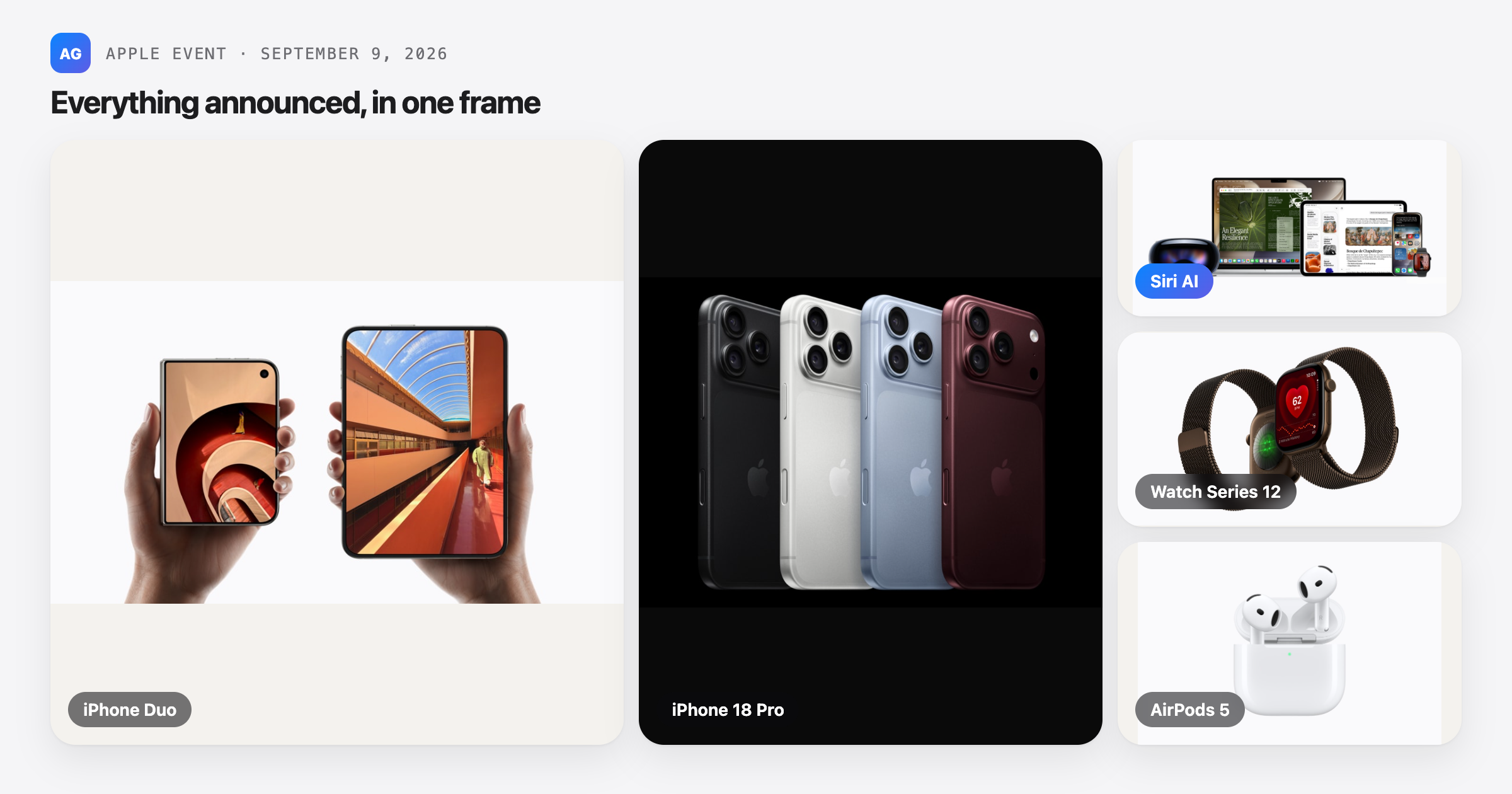 Everything announced, in one frame — a composite I put together from Apple’s own product
photography, since Apple didn’t publish a single combined shot. Individual photos:
iPhone 18 Pro,
iPhone Duo,
Watch Series 12,
AirPods 5 — all Apple Newsroom.
Everything announced, in one frame — a composite I put together from Apple’s own product
photography, since Apple didn’t publish a single combined shot. Individual photos:
iPhone 18 Pro,
iPhone Duo,
Watch Series 12,
AirPods 5 — all Apple Newsroom.
What actually launched
iPhone 18 Pro and Pro Max. A20 Pro, Apple’s first 2-nanometer chip in a phone. The 48MP Fusion Main camera gets a real variable aperture (ƒ/1.48 to ƒ/4), with manual aperture and shutter-speed controls. Starts at $1,199 / $1,299. Pre-orders September 12, ships September 18.
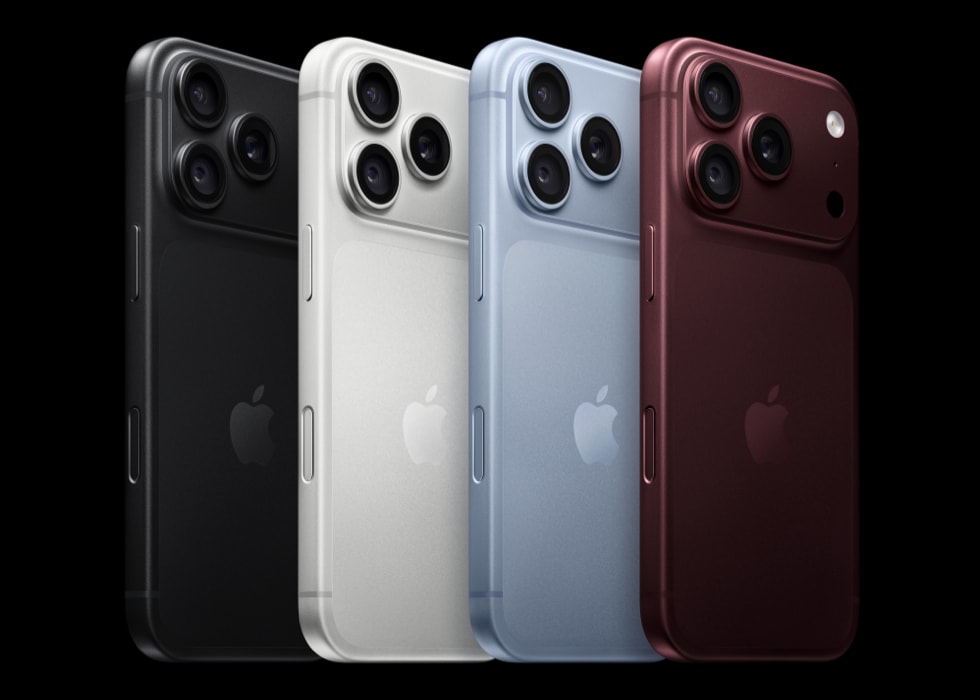 iPhone 18 Pro and Pro Max. Source: Apple Newsroom.
iPhone Duo. Apple’s first foldable iPhone, and the actual surprise of the event. A 5.4” outer display, a 7.6” inner one, A20 Pro, dual-battery architecture. Starts at $1,999. Pre-orders October 16, ships October 23. I wrote a separate deep dive on preparing an existing app for it, because the compatibility work deserved its own post rather than a paragraph here.
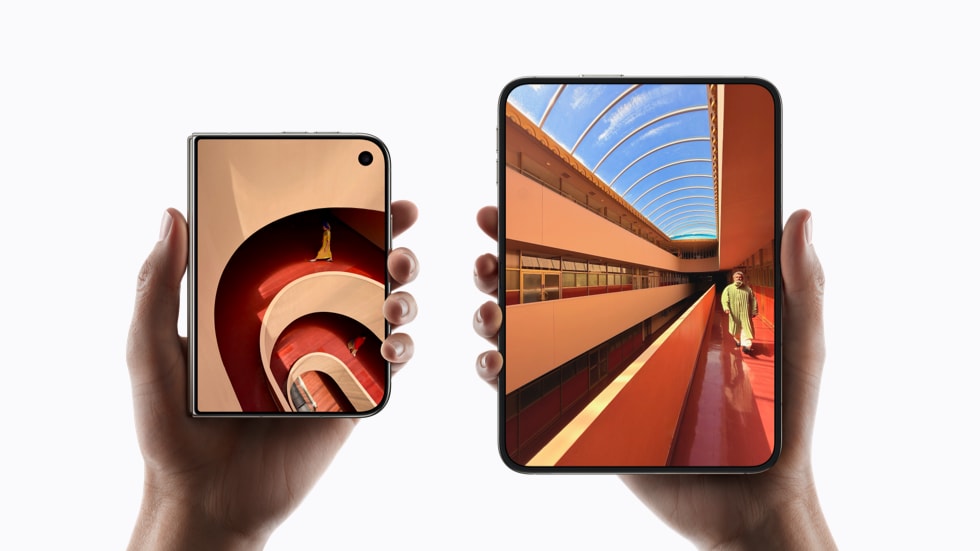 iPhone Duo’s outer and inner displays. Source: Apple Newsroom.
Apple Watch Series 12 and Ultra 4. Both get the S11 chip and a new health-sensing system Apple’s calling its most accurate heart-rate sensing yet, with more frequent HRV readings for stress and recovery insight. Ultra 4 keeps the two-day battery life and adds satellite messaging.
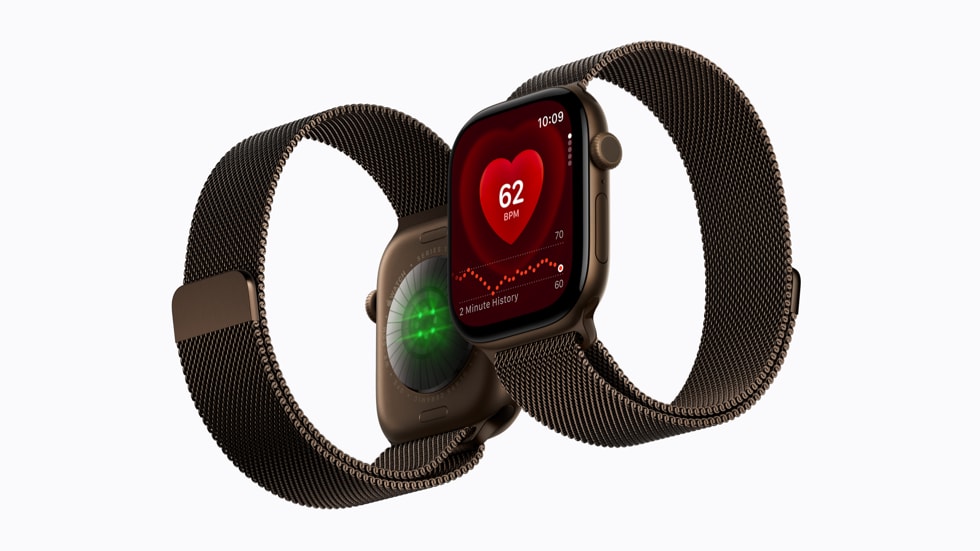 Apple Watch Series 12. Source: Apple Newsroom.
AirPods 5. Two models, with and without active noise cancellation, both starting at $129 — noise cancellation is no longer gated to a pricier tier.
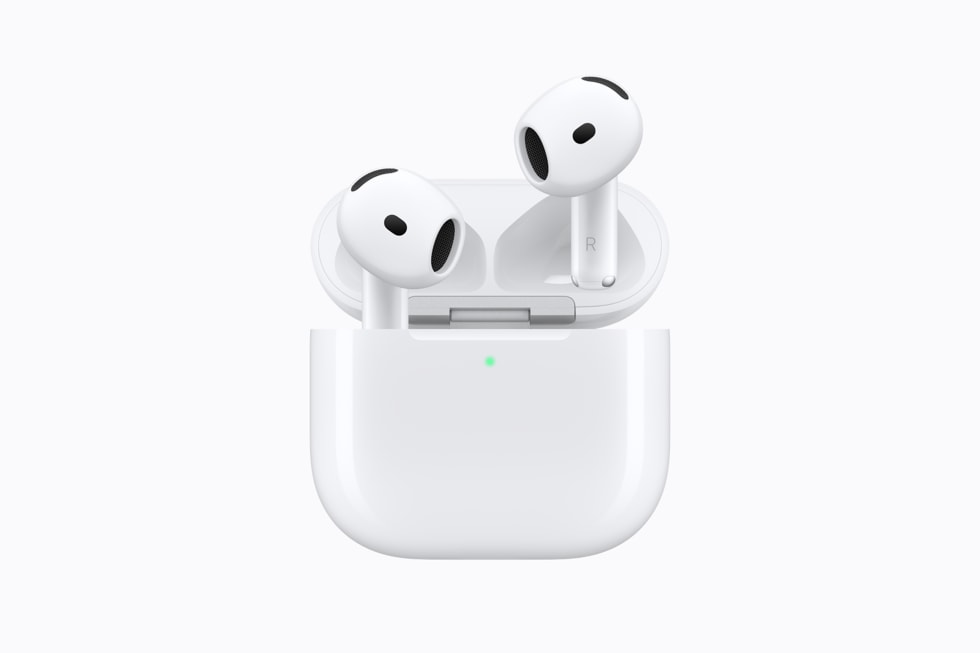 AirPods 5. Source: Apple Newsroom.
iOS 27, iPadOS 27, macOS 27, watchOS 27, tvOS 27, visionOS 27. All ship September 14. Apple Intelligence and a beta Siri AI (English only, no EU at launch) run across the lineup.
Siri AI is the actual headline, even if the hardware got the stage time. This is the version of Siri Apple’s been promising for two years: real conversational back-and-forth, personal-context search across messages, email, and photos via Spotlight, onscreen awareness, and a dedicated Siri app that keeps a history of past conversations. It syncs across iPhone, iPad, Mac, Apple Watch, and Vision Pro over iCloud. All of it sits on top of Apple Intelligence, which runs on Apple’s own Foundation Models, on-device and via Private Cloud Compute when a request needs more than the device can do locally.
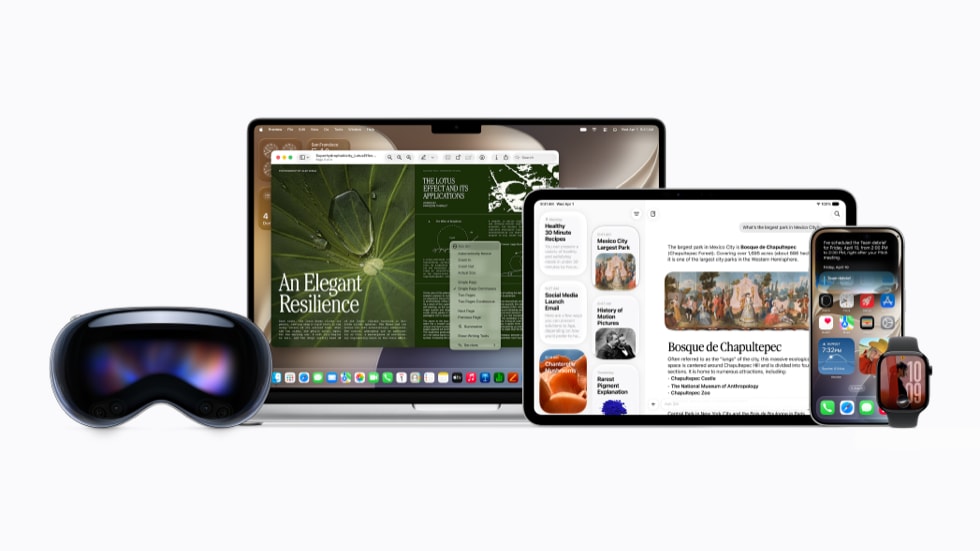 Apple Intelligence and Siri AI, live across the lineup. Source: Apple Newsroom.
What’s actually for developers
The keynote is the product story. The developer story is quieter and, for anyone shipping production apps, more consequential.
Xcode 27 defaults to Swift 6 mode. New projects build under Swift 6 language settings by default. If a codebase isn’t already Swift 6 clean, this is the point where that stops being optional for anything built fresh.
A hard SDK deadline: April 2027. Apps submitted to App Store Connect after that date must be built with the iOS 27 / iPadOS 27 SDK or later (equivalent deadlines apply per platform). That’s roughly seven months out from this event, which sounds comfortable until it’s the fourth priority on a roadmap and the deadline arrives anyway.
DeclaredAgeRange is now required for social features. Any app with social
functionality needs the new user-facing age-gate and the DeclaredAgeRange API implemented,
alongside a new “Social Media” content descriptor on the App Store listing. This is a real
compliance item, not a nice-to-have.
macOS 27 drops Intel entirely. macOS 26 is the last release supporting Intel Macs and Rosetta. Anything still building for Intel needs its build settings moved to Apple silicon only before that matters.
Xcode Intelligence ships on-device. Predictive, multi-line code completion powered by an on-device Apple Intelligence model, no cloud round-trip required, with an optional route to third-party models. Paired with faster Simulator performance and better Instruments profiling for memory and energy. This is the AI story most directly in front of me every day: it’s in the editor, not just the demo.
The Foundation Models framework is generally available, and it’s the one to actually go build with. Apple’s own on-device AI framework, backed by the same Apple Foundation Models powering Siri AI and Apple Intelligence system-wide, for building model-backed features without shipping your own inference stack. Testing is open now through the Apple Developer Program, with a public beta following next month. Worth a real look for anyone weighing on-device versus server-side AI features, which is a decision I make often enough that I’ve got opinions on it.
iPhone Duo aside, the theme is adaptive layout, broadly. SwiftUI and UIKit both picked up adaptive-layout APIs this cycle that aren’t Duo-exclusive — hinge-state detection and multi-configuration display handling are part of the general iOS 27 SDK, which matters for anything running across the widening range of iPhone, iPad, and now foldable screen sizes, not just Duo owners specifically.
What I’m actually doing about it this week
- Swift 6 clean build for every app: actual concurrency checks, not silenced warnings.
- April 2027 on the calendar, and a list of which apps are furthest from an iOS 27 SDK build.
- Auditing social features against the new
DeclaredAgeRangerequirement. - Confirming nothing still targets Intel.
- Trying Xcode Intelligence on a real codebase, not a toy project.
- Testing Foundation Models against one real feature idea, not a demo, to get an honest read on where it beats calling out to a server-side model.
Not exciting. Necessary.
References
- Apple Newsroom: Apple debuts iPhone 18 Pro and iPhone 18 Pro Max
- Apple Newsroom: Apple unveils iPhone Duo
- Apple Newsroom: Apple introduces Siri AI, a profoundly more capable and personal assistant
- Apple Newsroom: Apple Intelligence brings powerful AI capabilities into everyday experiences
- Apple Developer: What’s new for Apple developers
- 9to5Mac: Apple now accepting App Store submissions built for iOS 27, macOS 27, more
- MacRumors: Everything Apple announced at the September 2026 event